Kids Leather Shoes: The Surprisingly Powerful Way Better Footwear Can Make a Child’s Day Easier
< Back to Blogs
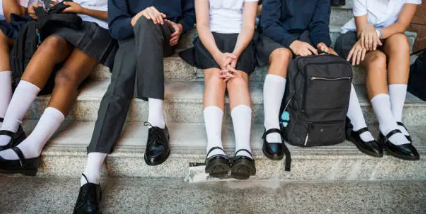
For many Australian parents, kids leather shoes are a familiar back-to-school purchase: smart enough for the classroom, durable enough for busy weekdays, and practical enough to survive months of use. But there is another way to think about them. Rather than simply being another item in a child's wardrobe, well-designed kids leather shoes can serve as daily-use infrastructure—quietly supporting the child through everything from the morning school run to afternoon activities.
That matters because children rarely stay still. They walk between classrooms, stand during activities, play at recess, commute home and may attend sports or other activities afterwards. When a shoe fits poorly or creates constant discomfort, those small problems can become surprisingly distracting.
The Hidden Cost of Uncomfortable Footwear
A child may not always explain that their shoes are causing problems. Instead, they might repeatedly adjust them, complain that their feet hurt, or become reluctant to wear a particular pair.
● Slipping and movement: A poorly fitted shoe can move around the foot, making ordinary walking feel less secure.
● Pressure points: Stiff areas, cramped toes or unsuitable sizing can create irritation that becomes more noticeable after hours of wear.
● Sweaty feet: Australian weather can be warm, particularly during summer, making breathable materials an important consideration.
This is where quality construction becomes more than an aesthetic choice. Leather has long been valued for its durability and ability to develop a comfortable fit over time. For children's footwear, the broader goal is to create a shoe that feels dependable rather than demanding attention.
Think of School Shoes as Everyday Equipment
Parents often evaluate kids leather shoes by asking whether they look presentable and whether they will last until the end of the school year. Those questions matter, but they do not tell the whole story.
Think about how many hours children spend on their feet. A pair of school shoes may be worn while walking to class, standing in assemblies, moving between activities and travelling home. That makes footwear closer to everyday equipment than a simple fashion accessory.
● Support where it matters: A well-constructed shoe can provide a more consistent platform for everyday movement.
● A dependable fit: Checking a manufacturer's size guide can help parents avoid choosing footwear based solely on a child's age.
● Less readjustment: Properly fitting shoes should stay comfortably in place without requiring constant attention.
The right fit matters because children's feet are continually developing. Parents should check sizing periodically rather than assuming a child can comfortably remain in the same size for an entire year.
Why Quality Can Make a Child's Routine Easier
The biggest benefit of good kids shoes may be something parents barely notice: fewer complaints about footwear. When a shoe fits properly and performs consistently, children can concentrate on what they actually want to do.
For boys, a versatile pair of leather shoes might move from the classroom to a family occasion without requiring an entirely different outfit. Loafers can offer another practical option for older children, where the dress code and occasion allow them. The key consideration is not just style, but whether the footwear suits the child's activities and fits properly.
● Fewer distractions: Comfortable footwear can remove minor irritations from a child's day.
● Greater versatility: Quality shoes can work across school, family occasions and other everyday situations.
● Longer usefulness: Durable materials and construction can make a well-chosen pair more practical over time.
This is also where parents can think beyond the upfront cost. Replacing uncomfortable or poorly constructed shoes repeatedly can be more expensive—and more frustrating—than investing in suitable footwear from the beginning.
Make the Shoe Work for the Child
The smartest approach to children's footwear is not necessarily choosing the most fashionable pair or the most expensive option. It is choosing a shoe that works with the child's actual routine.
Start by measuring the child's feet, consulting the relevant size guide, and considering when and where the shoes will be worn. School requirements, Australian weather, walking distances and after-school activities can all influence the right choice.
● Measure before buying: Children's feet change, so previous sizing should not automatically determine the next purchase.
● Consider the routine: A child who walks considerable distances needs different priorities from one who spends most of the day indoors.
● Look beyond appearance: Construction, fit, material and everyday comfort deserve equal attention.
Ultimately, good footwear should fade into the background. Children should be thinking about lessons, friends, games and activities—not whether their shoes are rubbing, slipping or making their feet uncomfortable.
Conclusion
The real value of quality footwear is not simply that it looks smart or survives everyday wear. It can remove small sources of friction from a child's routine. The right shoes provide consistency, comfort, and confidence while letting children get on with their day.
For parents, that means treating footwear as part of a child's everyday infrastructure, not an afterthought. Whether you're replacing school shoes or looking for dependable footwear for other occasions, prioritise fit, construction, and real-life suitability.
And when you're ready to extend that same focus on quality and practicality to your own wardrobe, take the next step and shop for quality kids leather shoes at Everflex.